
"Azov 9/11"
Ukrainian Blowback
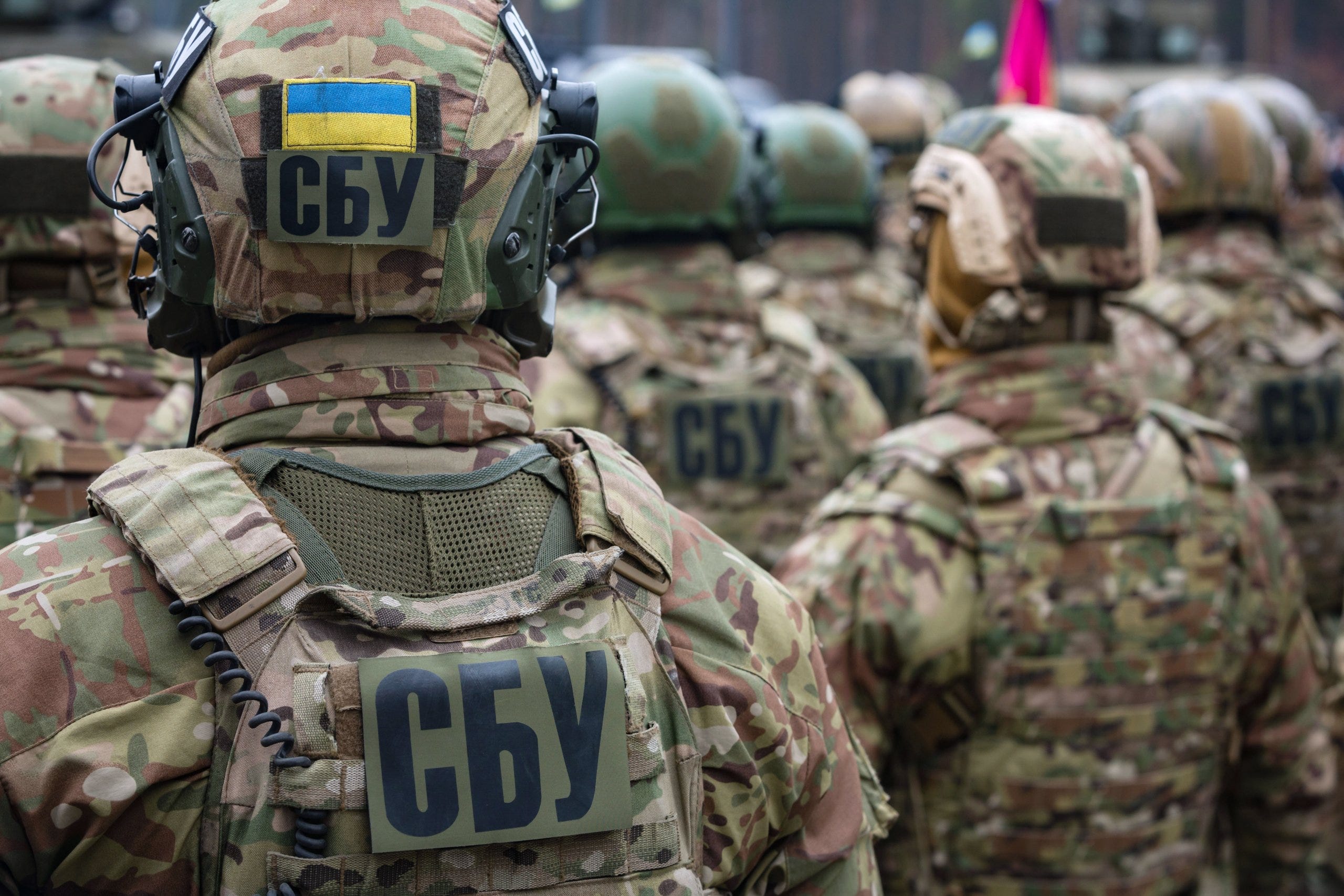
On Wednesday, an Afghan national shot two members of the West Virginia National Guard in Washington, D.C., killing one. Preliminary reporting suggests this Afghan, who was living legally in the US after having his asylum request granted in April, was a member of a “Zero Unit,” a type of special forces unit trained and armed by US forces in Afghanistan to conduct irregular warfare. Zero Units worked closely with American special forces and intelligence agencies during the war and have been characterized as a type of death squad.
This event was wholly unsurprising to a certain type of historically aware observer. Whether characterized as “blowback” or something more sinister and deliberate, it represents just another entry in a lengthy legacy of former proxy forces committing acts of terrorism, assassinations, organized gang activity, and random violence on American and European soil after the conclusion of their proxy conflict.
The projection of this legacy into the future with reference to the war in Ukraine is referred to with the tongue-in-cheek moniker “Azov 9/11.” Without historical context, this concept is likely incomprehensible. But when placed within a broader analysis, a clear pattern emerges. In this piece, we’ll establish the case for the enormous danger posed by a postwar Ukrainian proxy force, both as a tool of nefarious state actors and as an organized political entity with its own agenda. First, we’ll establish the historical precedent by tracing the activities of former proxy forces in America and Europe before arguing that Ukraine War veterans are likely to present the most dangerous form of this phenomenon to date.
Cuban Exiles
Following the Cuban Revolution (1953-1959), hundreds of thousands of middle and upper-class Cubans fled the island for the US. From this influx of anti-Castro Cubans, the US military and intelligence apparatus created a network of overt and covert proxy units. Former members of the Batista government’s secret police, which had received funding and support from the CIA since the mid-50s, were a crucial source of operatives.
The most brutal of the secret police agencies was the Bureau for the Repression of Communist Activities (BRAC), which was led by WW2 Nazi hunter Mariano Faget Diaz. Members of BRAC entering the US were organized into a covert special operations unit called Operation 40, so-called because it had 40 initial members.
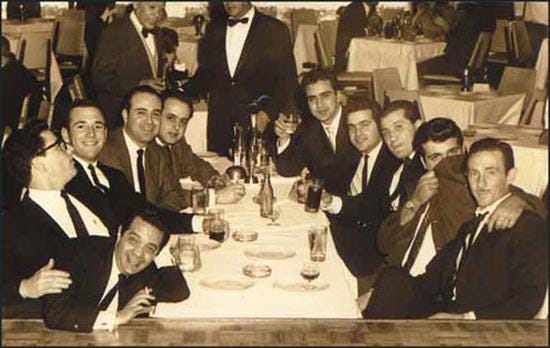
Operation 40 was overseen by both Richard Nixon and George H.W. Bush, and subordinated to the CIA. The unit was primarily directed to engage in assassinations and acts of terrorism against the Castro government from bases in Florida. With the failure of the Bay of Pigs invasion in 1961 – in which several Operation 40 members were arrested by the Cuban government – the unit transitioned into a small mercenary army operating on US soil. Strong evidence links its members to the JFK assassination. The majority of the “plumbers” who participated in the Watergate burglary operation were either direct Operation 40 members, Cuban exiles associated with them, or American CIA agents who led the group. The assassination by car bomb of Chilean diplomat Orlando Letelier and his aide, US citizen Ronni Moffit – one of the most prominent examples of the assassination of a foreign national on American soil in history – was conducted by Operation 40 members. Operation 40 formed the spearhead of an espionage operation on the Cuban population of Florida throughout the 60s. Church committee disclosures revealed the program violated US law.
Operation 40 eventually degraded into a likely state-sponsored drug trafficking organization, which is unsurprising considering their close association with notorious drug runner Barry Seal. In the late 60s, a CIA-chartered flight piloted by an Operation 40 member crashed in Southern California. First responders found kilograms of cocaine and heroin in the wreckage. Shortly afterward, another Operation 40 member trafficking drugs was killed in a shootout with the Miami police. The unwanted attention these incidents brought to the unit resulted in its disbandment, with its membership being transferred to other covert groups. In 1976, former members, including CIA asset Luis Posada Carriles, orchestrated the Cubana Flight 455 bombing, which killed 73 people. Carriles had been trained at the US Army Officer Candidate School in Fort Benning. After a lengthy series of arrests, escapes, prosecutions, and extraditions, Carriles was acquitted of all charges against him by a US court and freed amidst the Global War on Terror, despite being one of the most prolific terrorists in the world.
As Operation 40 members were dispersed, some found a home in the Cuban exile paramilitary force known as Alpha 66. The unit’s activities increased as Operation 40’s declined. While Operation 40 was a CIA initiative, Alpha 66 was primarily organized by US Army intelligence, with secondary support from the CIA. From bases in the Everglades, the group used US government supplies to conduct a bloody string of bombings and killings. From the mid-70s to mid-80s, Alpha 66 was involved in two bombings of the Cuban UN mission in New York, bombings of the Cuban Museum, FBI field office, Social Security office, and airport in Miami, several bombings targeting pro-dialogue Cubans in Miami, the assassination of moderate exile leader Euliano Negrin, and bombings targeting Cuban businesses and offices in Florida. The group assassinated a travel agent in Puerto Rico, and attempted to gun down Cuban diplomat Raul Roa Kouri in New York. To finance these operations, Alpha 66 trafficked drugs. Its members were caught with thousands of kilos of cocaine in arrests as late as the 90s.
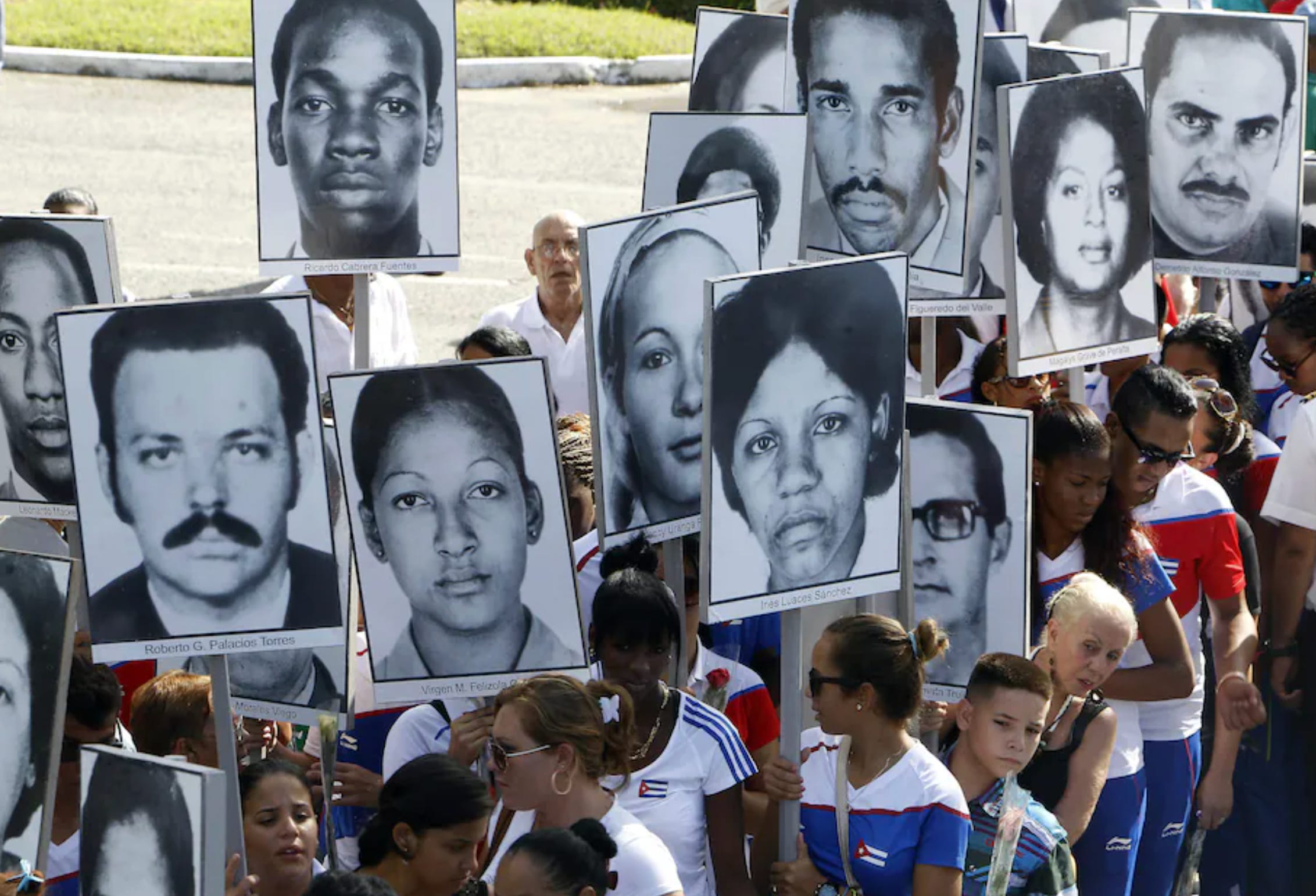
Alpha 66 grew completely beyond the control of its US government handlers, or so those handlers would later claim. The CIA allegedly terminated its relationship with the group because of its inability to keep their operations in check. The ATF began conducting raids on the group’s bases in the Everglades in the late 70s, seizing automatic weapons and substantial quantities of explosives as late as 1994. Alpha 66 still exists today and maintains a presence in Miami.
Alpha 66 wasn’t the only Cuban exile group to allegedly go rogue. The small cell known as Omega 7 was exposed in 1984 when its leader, Eduardo Arocena, was indicted on 26 charges, including murder and a lengthy list of bombings. Arocena, a Bay of Pigs veteran, claimed he was trained by CIA personnel in bomb making and had attempted missions to Cuba to engage in biological warfare to start a war between the US and Cuba. Omega 7 was involved in several of Alpha 66’s operations and assassinated fellow exile Eualio Jose Negrin in New Jersey in 1979. Negrín had been negotiating with the Cuban government to secure the release of political prisoners.
In 1980, the group assassinated Felix Garcia, an attaché to the Cuban mission to the UN, in New York. Garcia was the first UN official to have been assassinated in New York since the founding of the organization. The group also bombed a sporting goods store near Madison Square Garden, the Avery Fisher Hall, JFK Airport, the Mexican Consulate in Manhattan, a cigar company in Miami, and more than 30 other locations. To finance their operations, Omega 7 served as security for various drug trafficking organizations and engaged in racketeering. Arocena served 37 years in prison and was released in 2021.
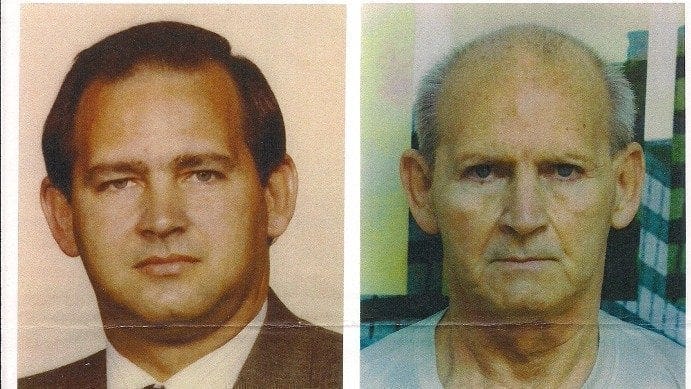
Other Cuban exile groups engaged in similar activities include CORU (an umbrella organization that coordinated operations between smaller groups), Accion Cubana (prolific bombers), FLNC (bombers and assassins), Comandos L (bombed an FBI office), CNM, Gobierno Cubano Secreto (planned to bomb oil refineries in New Jersey), Joven Cuba, Comandos F-4, RECE, Abdala, JURE, and PUND. This spiderweb of terrorist cells shared personnel and missions, and its complex structure ensured it was able to conduct operations on American soil with impunity. All of these groups received funding, training, and supplies from the US government at various times. Their acts of mass murder and terrorism led to domestic instability in the US and prevented US/Cuban détente.
Outside anti-Castro operations, they formed a useful yet dangerous manpower pool for illegal intelligence operations and funding of those operations through drug trafficking. It’s difficult to find a US intelligence scandal, terrorist attack, or black operation Cuban exiles were not involved in from the early 60s up to the late 90s. FBI documents show that Oklahoma City bomber Timothy McVeigh ran explosives to a Cuban exile group – likely PUND – in Florida in the 90s. Cuban exiles also participated in Iran/Contra. When the Department of Defense explored generating a casus belli for war with Cuba using a series of potential false flag operations – including the possible fake shootdown of a drone made to look like a civilian airliner – exile groups were to provide the operatives.
The groups participated in over 100 hijackings of flights between the US and Cuba from 1960 to the 2000s, with a hijacking occurring on average every 13 days from 1968 to 1972. Although this history is largely forgotten, Americans have US government-sponsored Cuban terrorists to thank for the permanent securitization of American airports up to 9/11.


It’s impossible to definitively say at what point these groups became more of a liability than an asset to the US deep government, and it’s likely the case that some of them were still working for covert arms of the government while being raided and prosecuted by overt arms like the FBI and ATF. Rather than acting purely as a tool in the hands of US intelligence, the exile groups became a political force unto themselves, blocking détente long after US public opinion shifted to support it.
By the 90s, divisions formed within the radical exile community, with significant minorities eventually breaking off from the anti-Castro core as they began to see the logic in detente. Still, these groups had long ceased to be purely political in nature and had become something closer to criminal enterprises. Their activities resulted in the deaths of thousands and ensured the steady flow of hundreds of millions of dollars of drugs into the US. They protected and supported other criminal organizations across Latin America, which engaged in mass fraud, gang violence, human trafficking, and gunrunning.
It’s crucial to understand the reason Cuban exiles were so widely used for covert operations. Barred from returning home, they were wholly dependent on the largesse of their sponsors in government and intelligence. Their ideological zeal and disconnection from the population of their host country made them ruthless. Desperation, anger at their loss in the Cuban Revolution, and unlimited funding and resources made them an indispensable asset of nefarious actors planning operations both abroad and at home.
ARVN
After the US defeat in Vietnam, a wave of refugees from the diverse collection of US proxy forces used during the war arrived in the US. Among these were a collection of US-trained ex-ARVN special forces and military officers who formed the National United Front for the Liberation of Vietnam (NUFLV, or “The Front”). The Front was an overt organization advocating for the overthrow of the Vietnamese government, but it maintained a covert wing called “K-9.”
K-9 became an assassination and terrorism unit that forcibly quelled dissent among the Vietnamese diaspora in the United States, and from 1981 to 1987 it targeted and successfully murdered five Vietnamese journalists on American soil. Meanwhile, Front members engaged in racketeering, extortion, arson, and illegal gun running while allegedly enriching themselves using diaspora money supposedly meant to fund a future invasion of Vietnam.
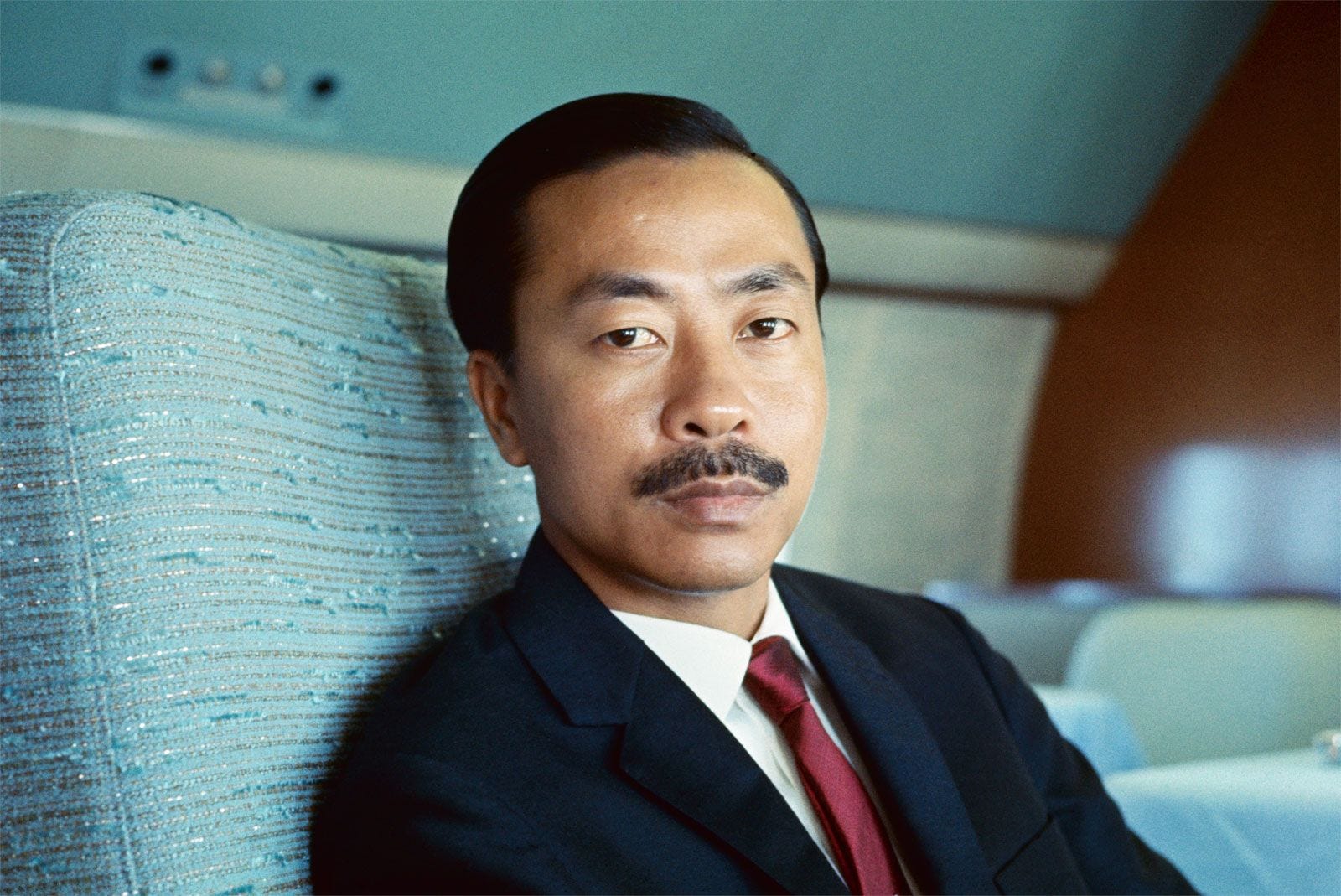
Organized Vietnamese gangs began to flourish across the country. In 1984, police in California uncovered a criminal gang composed of 75 former ARVN military personnel and special forces operators who had been trained by the US. Narcotics officers in the southwest alleged that a “Vietnamese mafia” led by former Republic of Vietnam Air Force general and once South Vietnamese prime minister Nguyen Cao Ky and a collection of ex-ARVN generals was overseeing criminal networks nationwide. Testimony before the President’s Commission on Organized Crime lent credence to the idea, but the accusations were never proven.
El Salvador
During the Salvadoran Civil War (1979-1992), the US provided billions of dollars in military and economic aid to junta forces combating left-wing FMLN guerrillas. Applying lessons learned from counterinsurgency operations during the Vietnam-era Phoenix Program, the US brought thousands of Salvadoran soldiers to bases like the Army School of the Americas in Fort Benning and Fort Bragg to be trained. From these US-funded, armed, and trained Salvadoran personnel, CIA advisors formed elite death squads in El Salvador. These death squads conducted a bloody campaign of terrorism and assassinations, killing over 75,000 civilians and displacing a million native Salvadorans. In 1980, a US-equipped death squad within the Salvadoran National Guard raped and executed four American nuns who were supporting a humanitarian aid mission.
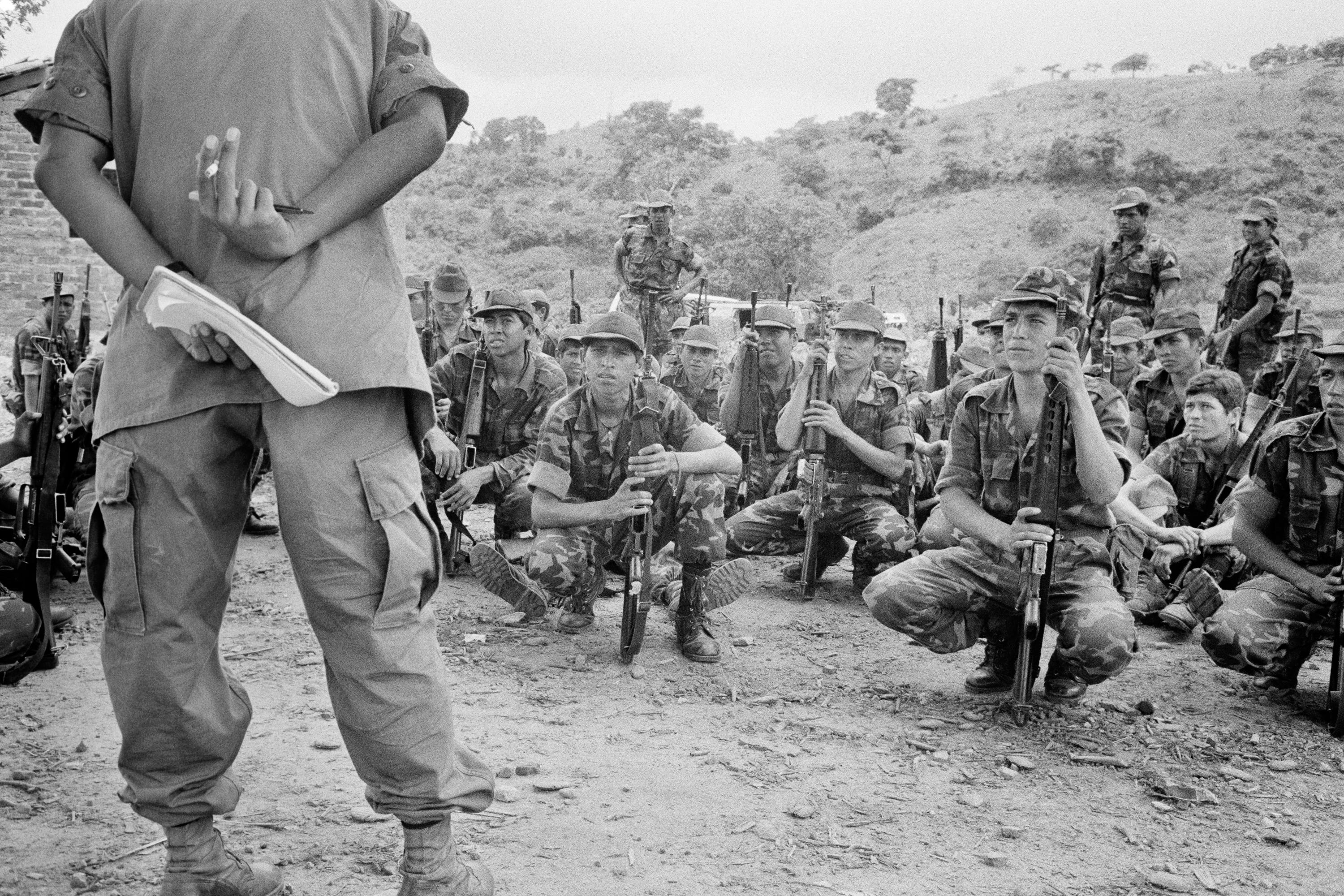
Many of the displaced Salvadorans found a home in the US as refugees. Seeking to protect themselves from well-established ethnic Mexican and black gangs in the Los Angeles area, a group of these refugees formed a gang of their own, called MS-13. In 1990, former Salvadoran special forces operator and School of the Americas graduate Ernesto “Satan” Deras assumed control of the group, and transformed it into a paramilitary organization. Further influxes of US-trained Salvadoran civil war veterans allowed the gang to expand its operations and successfully compete with rival gangs in Southern California.
With the conclusion of the civil war in 1992, the US government began deporting thousands of Salvadoran gang members, including ones from MS-13, back to El Salvador. In a highly unstable postwar environment and with hundreds of millions of dollars of American weapons available, the gang was able to seize significant amounts of power. It professionalized and expanded into a transnational, highly organized criminal organization that controlled drug, arms, and human trafficking in El Salvador and beyond. This produced further destabilization, generating more refugees and creating a feedback loop that contributed significantly to both the Central American refugee crisis and MS-13’s status as one of the most powerful and dangerous criminal organizations in the Western Hemisphere.
By the 1990s, 25% of El Salvador’s population had fled the country. Included in these refugees were dozens of death squad commanders and personnel wanted for war crimes by the postwar government. A small wave of deportations beginning in 2013 returned many of the higher-ranking officers back to El Salvador to face prosecution after decades of living in the US.
Mujahideen
While the example of Osama bin Laden is so well known as to be unnecessary to explore here, there are multiple other cases of members of the Afghan mujahideen during the Soviet-Afghan War who fit our pattern well. The first of these is the Egyptian cleric Omar Abdel-Rahman, the “Blind Sheikh,” so-called because of the permanent blindness he developed at ten months old.
Abdel-Rahman grew out of Qutbist Islamist movements in Egypt during the 1970s. His fatwa is commonly blamed for the assassination of Egyptian president Anwar Sadat in 1981. Expelled from Egypt, he migrated to Afghanistan in the mid-80s, linking up with US-backed radical groups fighting the Soviets, including Osama bin Laden’s Maktab al-Khidamat (MAK), the supposed precursor of Al-Qaeda.
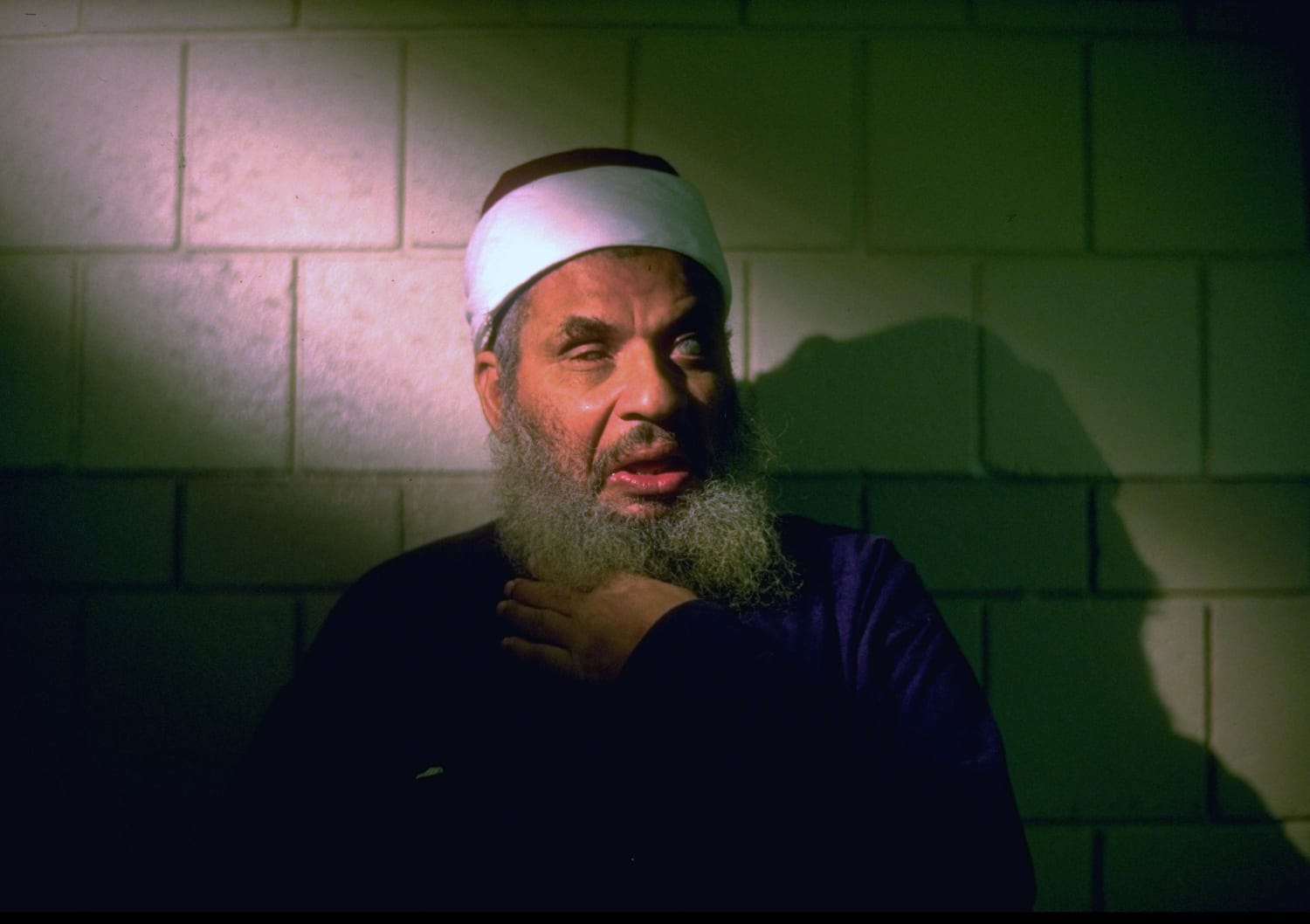
The cleric moved to the US in 1990, where he assumed control of MAK’s American operations under the auspices of the CIA. During the war, the organization had established branches in 33 US cities and an extensive fundraising network. He gained entry to the country under a tourist visa despite being on a State Department terrorist watchlist. A sequence of absurdities revealing the disconnection between covert and overt US government operations ensued. The State Department appropriately revoked his visa five months after he entered the country, but Abdel-Rahman subsequently obtained a green card from INS five months later. While attempting to re-enter the US after a trip four months later in August of 1991, the State Department again took steps to revoke Abdel-Rahman’s visa, but he was allowed to enter the country so he could appeal the decision. He took no steps to do so, and his green card was revoked. He then claimed political asylum. The CIA ensured that he was able to stay in the US unimpeded.
Throughout this period, Abdel-Rahman was actively preaching anti-US doctrine, promoting random acts of violence, and coordinating sabotage against the West. A core group of jihadists around Abdel-Rahman allegedly committed the 1993 World Trade Center bombing and planned dozens of terrorist attacks in Egypt. Egyptian authorities expressed their confusion about why Abdel-Rahman was allowed to operate freely within the United States.
The FBI eventually arrested Abdel-Rahman and prosecuted him for planning attacks on US civilian and military infrastructure and conspiracy to assassinate Egyptian president Hosni Mubarak. His arrest inspired the mass killing of 58 Western tourists in Egypt in 1997.
Many of Abdel-Rahman’s followers, who planned and executed terrorist attacks on US soil, had been trained, funded, and protected by the American government. El Sayyid Nosair, who assassinated Rabbi Meir Kahane in New York in 1990, attempted to use his US training as a defense in court when fighting conspiracy charges. 1993 WTC bomber Mahmud Abouhalima received combat training in Peshawar camps paid for by the CIA through the Pakistani ISI. Several of Abdel-Rahman’s followers who were convicted in 1995 for the New York City landmark bomb plot to blow up the UN building, Lincoln Tunnel, Holland Tunnel, George Washington Bridge, the FBI’s New York office, and other major landmarks had received US-funded training in Afghanistan.
An even more curious case is that of Ali Abdul Saoud Mohamed. Mohamed was an intelligence officer in the US-backed Egyptian special forces, obtaining the rank of major. His unit had close ties to radical Islamist elements within Egypt and abroad, and it carried out the aforementioned assassination of Egyptian president Sadat in 1981. At the time, Mohamed was participating in a four-month SOF training course at Ft. Bragg. During the course, he was approached by the CIA recruiters. Upon graduating, he received a green beret.
After returning to Egypt, Mohamed joined Egyptian Islamic Jihad, which was headed by future Al Qaeda founder Ayman al-Zawahiri. His open fundamentalism led to his discharge from the Egyptian military in 1984. He then obtained a job at EgyptAir as a counterterrorism security advisor, where he gathered crucial information that EIJ would later use to conduct hijackings.
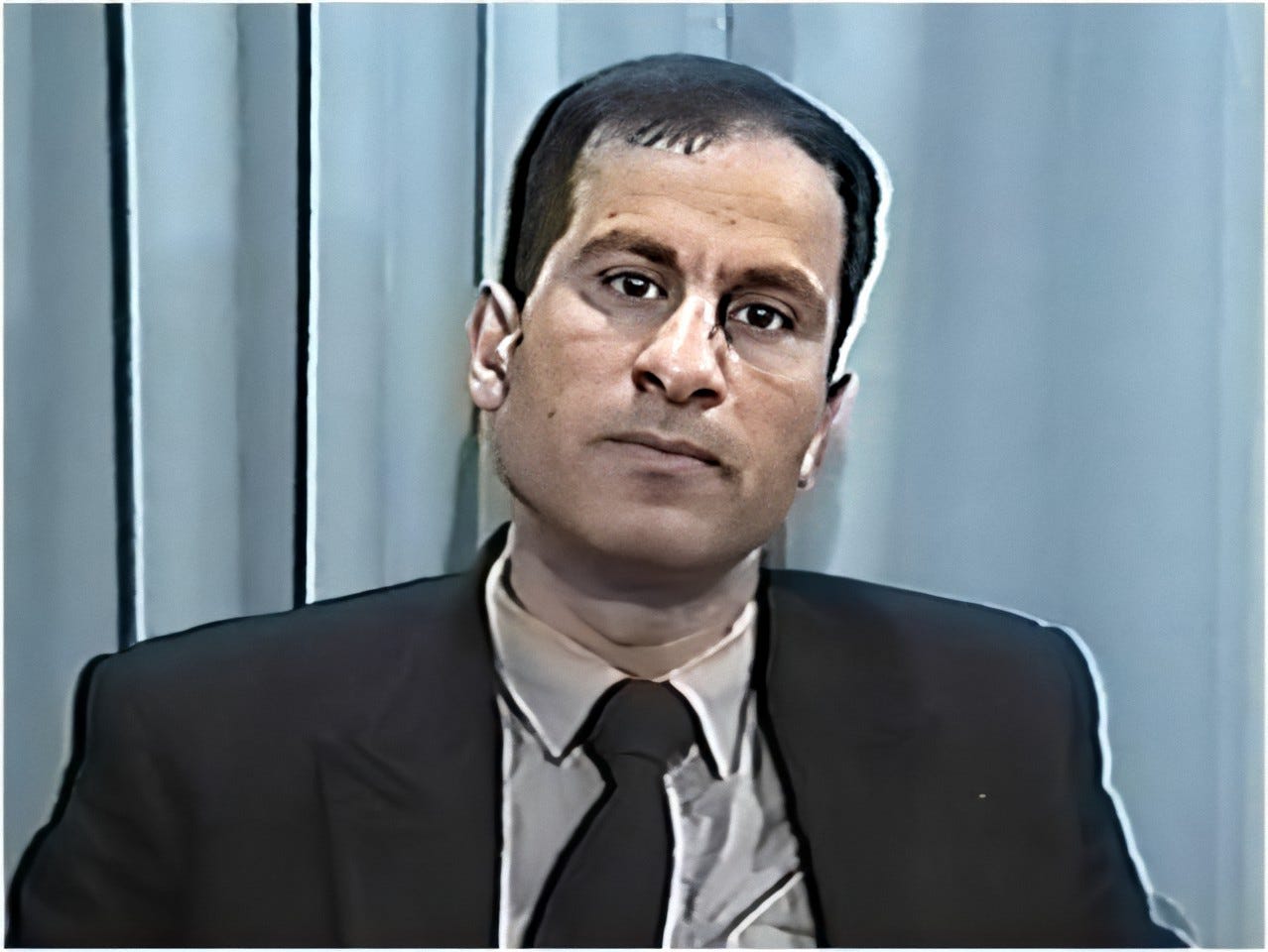
Zawahiri then allegedly ordered Mohamed to infiltrate the US intelligence apparatus, though this idea is dubious considering he may have already been a CIA asset for several years. Mohamed then simply walked into the CIA’s Cairo station, announcing he was interested in becoming a spy. He was immediately sent to Hamburg, Germany, to infiltrate a Hezbollah-linked mosque.
Bizarrely, he revealed himself as a US spy upon entering the mosque, and another CIA asset already present there reported this immediately to his superiors. Mohamed was, supposedly, placed on a watchlist to bar his entry to the US and dropped by the CIA. He then immediately moved to the US, with the CIA ensuring the State Department wouldn’t bar his entry.
After a year of living in the US, during which he established contacts with local EIJ members, Mohamed enlisted in the US military. His excellent marksmanship, physical fitness, and prior military experience (including US training) ensured his quick promotion and assignment to the Special Operations Command at Ft. Bragg, with which he was well familiar. He made no effort to hide his Islamist views and became a trainer at the John F. Kennedy Special Warfare Center. He was then put in touch with the CIA and perhaps “recruited” for a third time.
Mohamed was then allowed to travel, while on leave, to Afghanistan to support the Mujahideen in their war against the Soviets. Suspicions from his superiors sent up the chain of command received no response. Upon returning, he began taking weekend trips from Ft. Bragg to EIJ groups in New York and New Jersey. Using his US Special Forces training and stolen intelligence and supplies from Ft. Bragg, Mohamed trained dozens of EIJ operatives who would go on to commit terrorist attacks. Mohamed supplied EIJ with classified material, including ship docking locations for American ships in the Middle East and US SOF deployment points. He wrote a lengthy training manual on asymmetric warfare and terrorism for Al-Qaeda, which was widely distributed to radical groups around the world. During this period he was extensively surveilled by the FBI.
Mohamed was honorably discharged from the army in 1989 and received multiple commendations, including for patriotism. He immediately devoted his life to supporting Al Qaeda and EIJ operations. From Santa Clara, California, he acted as a central hub for the transfer of communications, weapons, forged documents, and money between terrorist networks run by the likes of Abdel-Rahman and Osama bin Laden. He returned to Afghanistan repeatedly and, meanwhile, worked as an FBI informant. Despite stolen documents and intelligence plainly traceable back to Mohamed being repeatedly found after arrests of Islamic radicals, no effort was apparently made to shut down his activities.
Mohamed was instrumental in resolving a partisan divide within Al Qaeda on who the group should next target after the Soviet withdrawal from Afghanistan. On one side was MAK founder Abdullah Azzam, who believed the next logical battlefield for jihad was Palestine, while on the other were Osama bin Laden and Abdel-Rahman, who wanted to target Muslim countries and the United States. Azzam was assassinated in 1989, and his close associate Mustafa Shalabi, who represented his position in the US, was murdered after telling Mohamed he feared for his life. Three of Mohamed’s trainees were suspected of the killing.
Mohamed took control over Al-Qaeda training centers in Afghanistan, Pakistan, and Khartoum. He set up the cell that would perpetrate the US embassy bombing in Nairobi in 1998. He secured documents for Ayman al-Zawahiri to enter the US multiple times to conduct fundraising tours. His work for the FBI continued during this period, supposedly informing on Mexican human trafficking rings. In 1993, he told his superiors at the FBI about Al-Qaeda’s activities, but the report was never shared beyond the San Francisco field office and was later “destroyed in a reorganization of intelligence components within the Department of Defense.” Mohamed trained militia members involved in the shootdown of multiple Blackhawk helicopters in Mogadishu in 1993 and may have been directly involved.
Mohamed was “called in” by the FBI after the US government was subpoenaed about his activities by Abdel-Rahman’s defense attorneys in 1994. The attorneys were hoping to use official US government support of Abdel-Rahman as a defense strategy. The Justice Department arranged an interview with Mohamed, who flew back from Kenya and met with officials at the San Jose FBI field office. Whatever happened in this meeting, it didn’t result in Mohamed’s arrest, and he continued his domestic activities supporting Al-Qaeda. Mohamed again met with the FBI in 1997, where he openly admitted to all the activities detailed above, but he was once more allowed to stand up and walk out a free man.
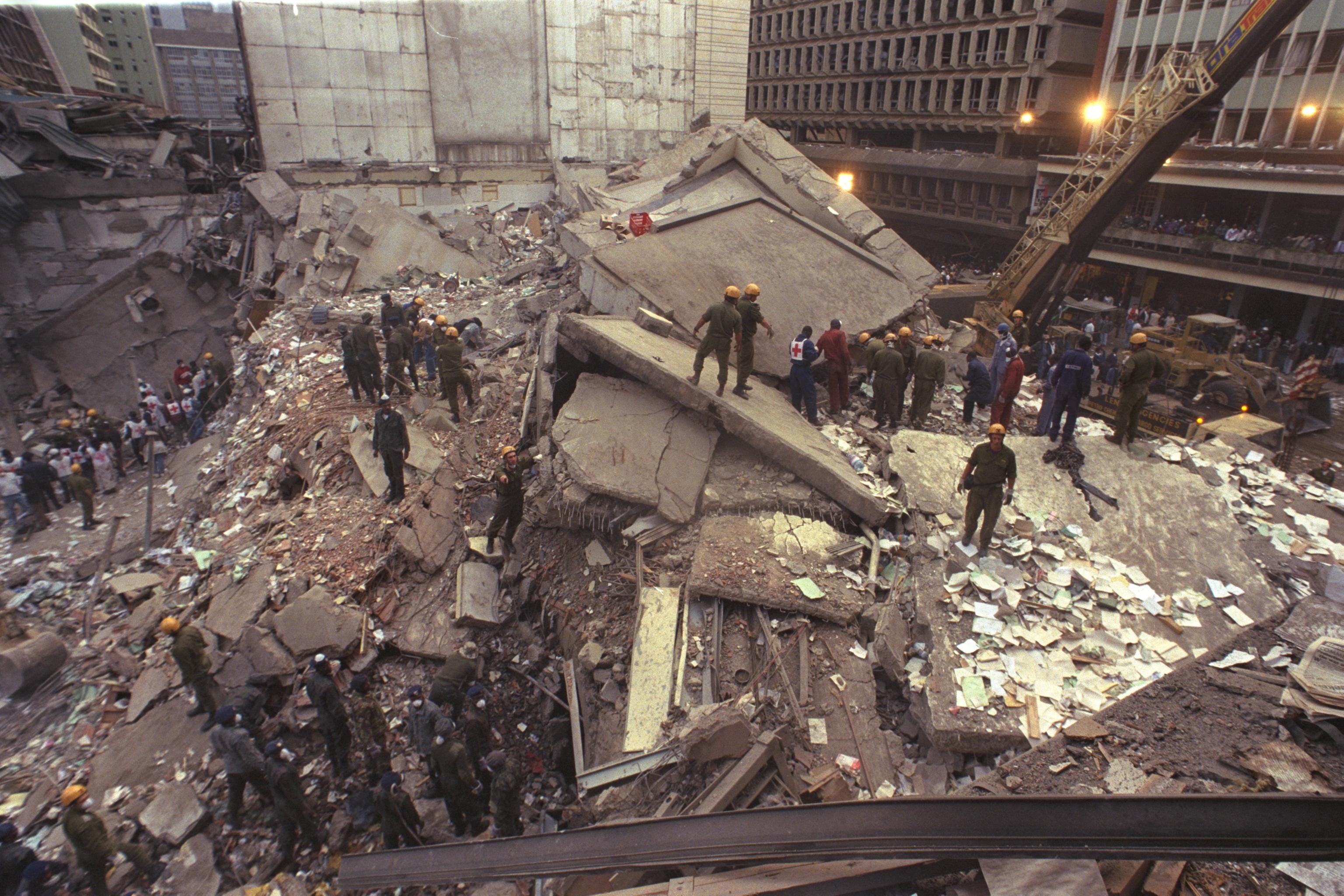
Mohamed was finally arrested after the 1998 bombings of the US embassies in Kenya and Tanzania, for which he had provided training, funding, and intelligence. He pled guilty to five counts of conspiracy in 2000 and hasn’t been sentenced or seen publicly in the 25 years since. His current whereabouts are unknown.
The cases of Ali Mohamed and Omar Abdel-Rahman are just two examples of US-supported Islamist fighters among thousands. These Islamists derived their funding, expertise, training, and intelligence directly from the United States, first as a proxy force against the Soviets, then against Muslim states in the Middle East and Africa, and finally against the United States itself. The scale of their activities worldwide vastly exceeds that of the Cuban exiles. The results of arming these groups cost the US trillions of dollars and tens of thousands of lives. It was used as the justification for a decades-long global war, the curtailing of civil liberties, and unprecedented destabilization in the Middle East that caused the deaths of millions and displacement of tens of millions, spawning a refugee crisis of unprecedented scale.
However, it’s almost impossible to explain continued US intelligence backing of Islamic extremists as they planned and perpetrated terrorist attacks on US soil solely as institutional incompetence or a series of comical mistakes. The case of the Islamist proxies is unique in that the lag time between their status as proxy and transition to an enemy collapsed so completely that they were actively being protected even as they were directly attacking the US.
Blowback?
These four examples: Cuban exiles, the South Vietnamese, Salvadorans, and the Mujahideen should be sufficient to prove the first part of our case, and this already long piece would become unwieldy if we detailed any of them in their full scope or covered the numerous other examples US and European history have to offer. For the curious, however, we can recommend researching:
The Contras (drug trafficking)
ISIS
Libyan rebel groups (2017 Manchester bombing)
Operation Gladio (terrorism across Italy and Europe, 60s - 80s)
Brabant killers, Belgium (unproven connection to SDRA VIII stay-behind network)
Operation Valuable (Albanian mafia networks)
Ustase, Croatia (hijackings and bombings in Europe and Australia)
Release of Yakuza by US occupation authorities in Japan
Hmong organized crime in the US
US collaboration with the Italian mafia in WW2
Kosovo Liberation Army (human/drug trafficking)
The pattern, in the broadest terms, is one of “blowback,” where the creation of a proxy force results in that proxy force becoming a liability to its backers after a proxy conflict ends. The popular narrative of blowback portrays the phenomenon as karmic retribution for short-term thinking. But this idea has justifiably been criticized as the gaps in a patchy history of covert operations are gradually filled by the evidence. In the most extreme cases, blowback is intentional. While proxies have been powerful tools in conflicts worldwide, factions within state power structures have frequently turned this weapon inwards and used the remnants of those forces against their own domestic enemies and their populations.
We’ll now turn towards the case of Ukraine.
Ukraine
Ukraine’s use as a proxy force against Russia dates back to the Grand Duchy of Lithuania’s deployment of Ruthenian levies against Muscovy in the 14th century. Leverage of a succession of ethnic and political entities within present-day Ukraine by the Polish-Lithuanian Commonwealth, Ottoman Empire, Sweden, Austria-Hungary, Poland, and Nazi Germany against various Russian political entities continued over the centuries. The CIA armed, trained, and inserted UPA remnants into Soviet Ukraine for intelligence gathering and partisan activity beginning in 1949 under Project Aerodynamic.
Political instability in post-Soviet Ukraine initially precluded deep and direct US intelligence ties within the Ukrainian state, with soft power mechanisms like the National Endowment of Democracy (NED) taking the lead in sabotaging Ukrainian ties with Russia. The NED and other intelligence-linked, state-sponsored funding sources flooded the country with Western cash starting in the early 2000s and quickly established firm control over parts of the Ukrainian media. In 2013 Carl Gershman, the head of the NED, described Ukraine as “the biggest prize” among post-Soviet states in countering Russia in an op-ed in the Wall Street Journal.
These efforts were successful in shifting Ukrainian public opinion and bolstering the position of Ukrainian nationalist paramilitaries, contributing to the successful overthrow of the government in the 2014 Maidan Revolution. With the Russian-neutral Yanukovych government ousted, Western intelligence had a free hand in the new Ukraine.
The CIA and MI6 immediately established direct ties with Ukraine’s internal security service, the SBU, and military intelligence directorate, the GUR. SBU head Valentyn Nalyvaichenko created a “three-way partnership” between Ukraine, the CIA, and MI6 whereby the foreign intelligence services would rebuild Ukraine’s intelligence apparatus from scratch. SBU and GUR personnel were flown to locations across Europe for training by CIA and MI6 instructors, and the CIA established over a dozen bases within Ukraine, an unusually high number for a country of Ukraine’s size.
The CIA created secret Ukrainian special forces units dedicated to collecting intelligence on the Russians. CIA-trained Ukrainian spies were inserted into Russia, Europe, and Cuba. Current Ukrainian defense intelligence head Kyrylo Budanov was a member of one of the CIA’s clients, Unit 2245. Budanov led an amphibious landing in Crimea to plant explosives at an airfield in 2016. The unit was ambushed immediately by Russian Spetsnaz operators and was forced to retreat. The incident caused significant controversy in the US/Ukrainian relationship, as there was supposedly a moratorium on the CIA orchestrating lethal operations against the Russians at the time. Budanov was wounded and was flown to the US for treatment at Walter Reed Medical Center.
In 2015, the CIA helped establish the “fifth directorate” of the SBU, a dedicated assassination and sabotage unit. In 2017, the UN Human Rights Monitoring Mission in Ukraine expressed “concern” that the newly rebuilt SBU was perpetrating human rights abuses through the systematic killing and torture of journalists within Ukraine.
Meanwhile, the US Special Operations Command established a dedicated military and intelligence training program in Ukraine in 2015. By 2022, Ukrainian special forces units had doubled in size and been trained in sabotage, underwater demolition, and irregular warfare. The British established a permanent training presence in the country in 2015 under Operation Orbital, training 17,500 Ukrainian personnel by 2019. The US intelligence relationship with Ukraine was expanded under Trump and then further under Biden.
Azov 9/11
Western-trained Ukrainian forces present a looming danger that has the potential to be larger in scale than any of the other cases we’ve covered here. First, the scope and scale of the training and direct military assistance dwarfs that of any proxy conflict since the beginning of the Cold War era.
Ukraine has been flooded with hundreds of billions of dollars of weapons, with oversight over those weapons being infamously lackadaisical. Western authorities have been sounding the alarm about this issue since the beginning of the conflict. The Global Initiative Against Transnational Organized Crime (GI-TOC) said in a report earlier this year that Ukrainian organized crime arms trafficking is already a much larger issue than it was in past conflicts like Afghanistan and the Balkans.
Spanish police have identified incidents in which drug trafficking organizations have been armed with NATO weapons donated to Ukraine. A Europol report released in April said that these criminal gangs are increasingly armed with “explosive weapons.” A 2024 DoD audit report admitted the agency had failed to track over a billion dollars in military equipment sent to Ukraine.
In 2024, GI-TOC detailed some examples of weapons for sale on the international black market that Ukrainian authorities had confiscated: a Zu-23-2 23mm anti-aircraft gun, US-made machine guns, automatic rifles, automatic grenade launchers, and explosives. Many of these items were being sold by active-duty AFU servicemen.
When the conflict in Ukraine ends, whenever and however that might be, the quantity of military-grade weapons in the country will dwarf that of past Western proxy conflicts. And while international arms trafficking presents a worrying threat, the more disturbing prospect is who will be holding those weapons when the music stops.
Hundreds of thousands of Ukrainians have obtained direct experience in one of the largest conflicts since the end of WW2. Under the AFU umbrella is a hodgepodge of semi-autonomous, ideologically motivated paramilitary units. Some of these units have been conducting sabotage and assassination campaigns for a decade. Their expertise in drone warfare is unparalleled outside the Russian armed forces, and the mainstream narrative is that they’ve already perpetrated the largest terrorist attack on industrial infrastructure in modern history.
The Ukrainians also possess a unique skill set. Even before the war, Ukraine was a hotbed of scam call center activity, with large organized criminal networks operating hundreds of call centers across the country. This expertise has been put to work by the Ukrainian intelligence services, who trained the scam callers to use blackmail and threats to coerce elderly Russians into committing terrorist attacks.
In 2024, American Ryan Routh attempted to assassinate Donald Trump. Routh, who had traveled extensively in Ukraine, was communicating with British-trained Afghan special forces units to recruit them to fight in the AFU. He was also in contact with a Ukrainian source in an attempt to obtain a rocket launcher. He cited support for Ukraine as a motive in the assassination attempt. In February of this year, 17-year-old would-be Trump assassin Nikita Casap killed his parents in preparation for a plot after communicating extensively with an unknown Ukrainian source. Casap was reportedly influenced by the Order of the Nine Angles and MKU groups, both of which have connections to Ukraine. He planned to flee there after killing the president.
The danger presented by postwar Ukrainian personnel is twofold. First, that they will provide a similar manpower pool for black operations as the Cuban exiles once did. In an increasingly fractured European order and amidst regular and mysterious “accidents” at important military and industrial sites across the continent, their spiderweb of relationships with various Western intelligence agencies makes it difficult to predict what or who they’d be used against. Ukrainian special forces and intelligence agents will already possess vast quantities of firearms, explosives, and drones, and they have the training to use them effectively. They also have the expertise to manipulate third parties into conducting attacks for them. Just as the Cuban exiles provided a mercenary army for assassinations, bombings, hijackings, and drug trafficking, Ukrainian exiles will give nefarious actors within deep factions of western governments the ability to execute operations with plausible deniability. The Ukrainians will be much better trained and equipped than the Cubans ever were, and they have millions of Ukrainian refugees in Europe and hundreds of thousands in the US to support them. Ukrainian organized crime will be capable of funding operations through arms and human trafficking.
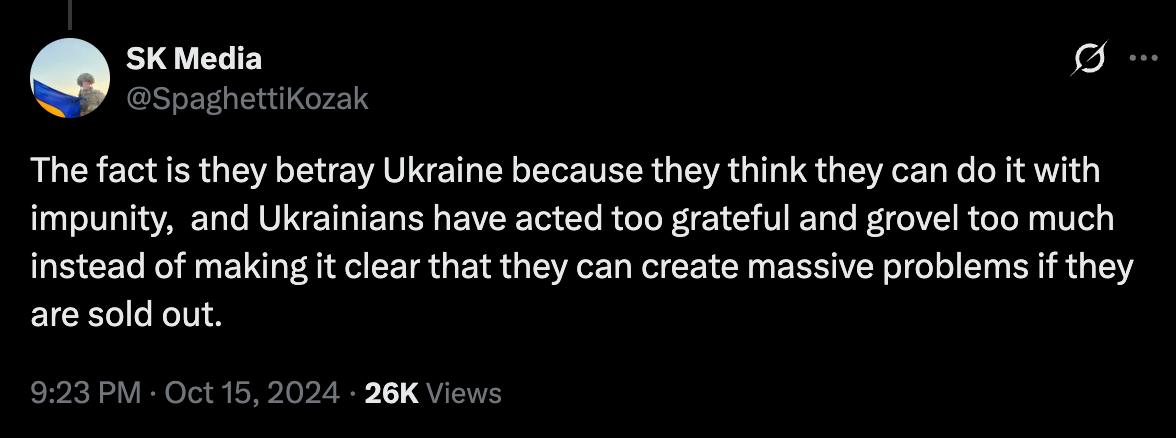
The second danger is posed by Ukrainian exiles as a violent political force unto themselves. Over the past year, a Ukrainian stab-in-the-back narrative has been forming steadily and is at risk of becoming mainstream. An increasing number of Ukrainian military and political figures, including right-wing nationalists, have gone on the record to warn about an impending or already underway betrayal by their European or American sponsors.
“What has happened is a stab in the back, there is no other way to describe it.” - Genadi Kostov, AFU (ret.)
Ukrainian sentiment regarding its western partners is increasingly souring. Divisions within nationalist elements have formed, with some angrier at the Europeans for pushing for a continuance of a pointless war as others are at Trump for attempting to force Zelensky to end it. In a postwar environment, even small numbers of committed and ideologically motivated Ukrainian soldiers will be capable of attempting to pay the West back asymmetrically.
Last week, Ukrainian journalist Maksim Kukhar posted this on Facebook:
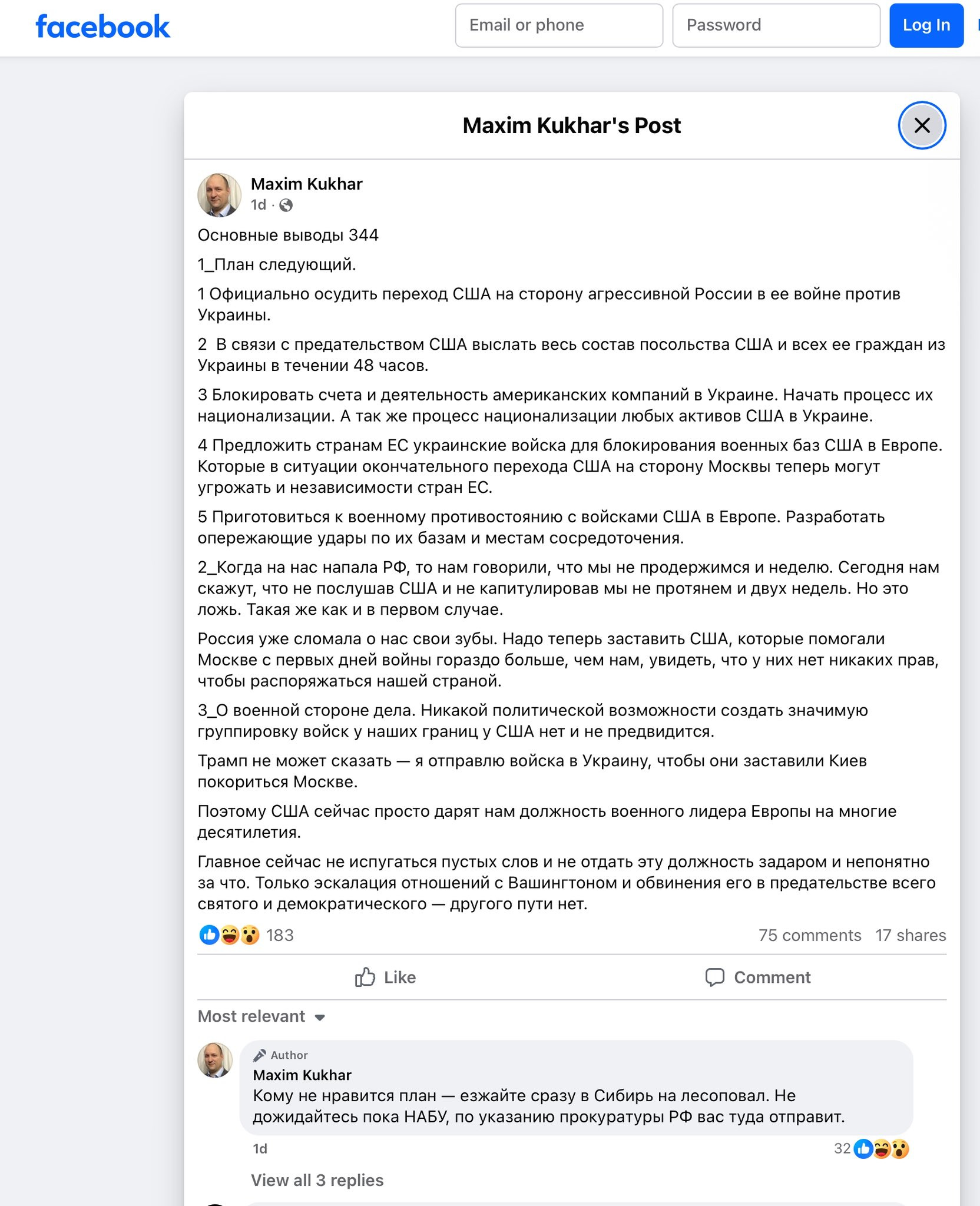
“1. The plan is as follows.
Officially condemn the United States for switching to the side of aggressive Russia in its war against Ukraine.
In connection with the betrayal by the United States, expel the entire staff of the U.S. Embassy and all American citizens from Ukraine within 48 hours.
Freeze the accounts and activities of American companies in Ukraine. Begin the process of their nationalization, as well as the nationalization of any U.S. assets in Ukraine.
Offer EU countries Ukrainian troops to blockade U.S. military bases in Europe. Since, with the United States now definitively siding with Moscow, these bases may also threaten the independence of EU states.
Prepare for military confrontation with U.S. forces in Europe. Develop pre-emptive strikes against their bases and concentrations of forces.
2. When Russia attacked us, we were told we wouldn’t last even a week. Today they will say that if we don’t listen to the U.S. and capitulate, we won’t last even two weeks. But that is a lie—just like the first time.
Russia has already broken its teeth on us. Now we must force the United States, which from the first days of the war has helped Moscow far more than it helped us, to understand that it has no right to dictate anything to our country.
3. On the military aspect. The United States has no political possibility to create a significant grouping of forces near our borders, nor is such a possibility expected.
Trump cannot say, “I will send troops to Ukraine so they can force Kyiv to submit to Moscow.”
Therefore, the U.S. is now simply gifting us the position of Europe’s military leader for decades to come.
The main thing now is not to be frightened by empty words and not to give up this position for nothing, for reasons no one understands. Only escalation with Washington and accusing it of betraying everything sacred and democratic—there is no other path.”
No matter how delusional his screed may appear, Maxim’s sentiment is one of many anti-Western narratives developing within Ukraine. The immense scale of Ukrainian losses, both in personnel and infrastructure, has the potential to motivate decades of anger and potential violence.
If the Ukrainians adhere to the pattern we’ve established in this piece, they will present an enormous risk to societies worldwide. Whether they’re used as a tool by unscrupulous state actors, take revenge for perceived betrayal, or are simply left to their own devices in a devastated Ukraine, the potential for blowback here exceeds most, if not all, prior historical examples. Perhaps most disturbingly, there’s little to be done to mitigate this threat. The weapons can’t be unsent, the Ukrainian soldiers can’t be untrained, and the hundreds of thousands of Ukrainian war dead can’t be brought back to life. While random acts of violence punctuate the end of the Global War on Terror, the seeds of future violence have already been sown.
Excellent piece, well worth saving!
The Ukronazis also are able to look like Americans or Europeans and, unlike any of the other groups you mentioned, have an ideology that can easily appeal to disgruntled and marginalised men in the US and EU.
Why is “World Destruction” by Time Zone playing?
https://blowback.show/